
Choosing a Table Lamp
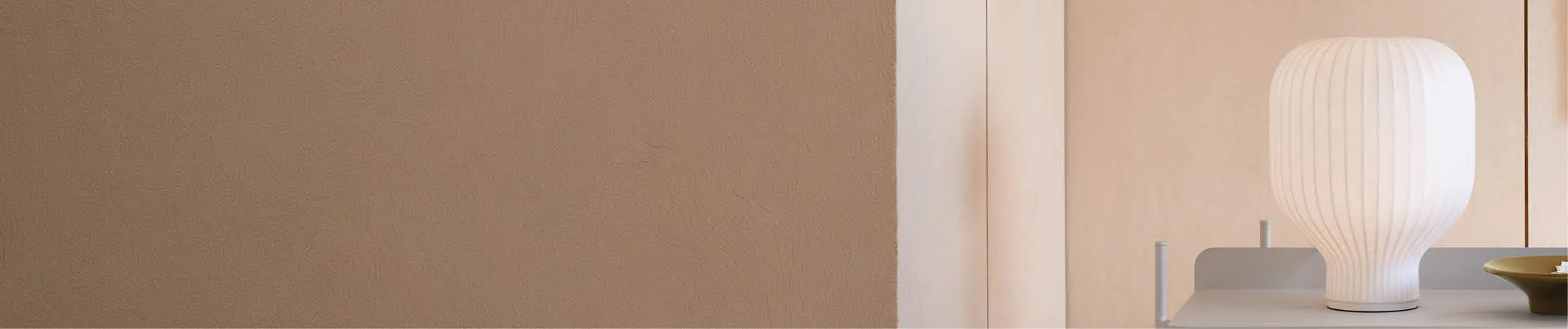
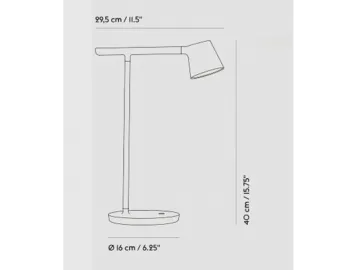
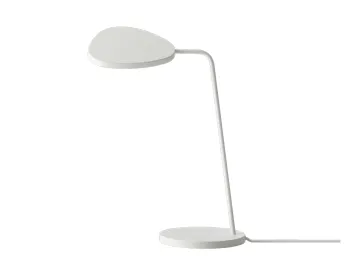
A table lamp can provide focused light for a particular activity or introduce a softer source of illumination within a room. Start by considering where the lamp will sit and what you need it to illuminate, then look at its dimensions, light direction and controls. Scale is particularly important. A lamp should have enough presence for the table or surface without taking up more space than its surroundings allow.
Bedside Table Lamps
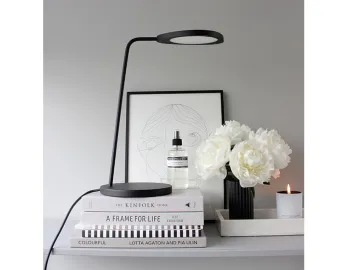
At the bedside, a table lamp can provide accessible light for reading and evening use without relying on the room’s main lighting. Consider the height of the lamp in relation to the bed and Bedside Table, as well as how easily the controls can be reached. Where surface space is limited, a more compact lamp can leave room for books and other bedside essentials. Portable designs can provide another option where access to a power point affects placement.
Table Lamps for Desks and Workspaces
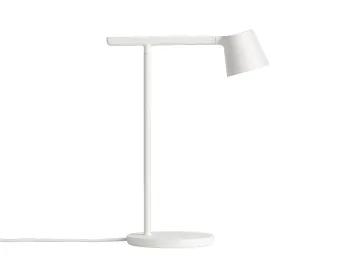
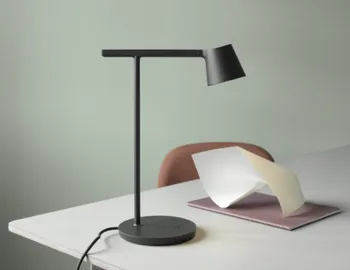
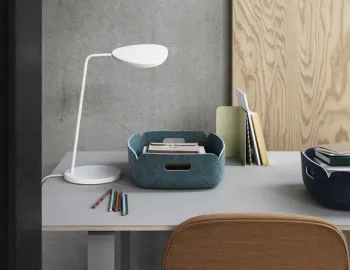
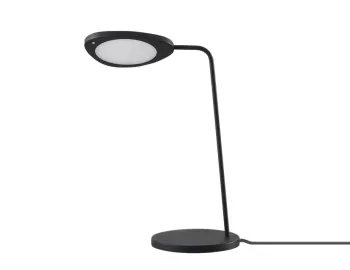
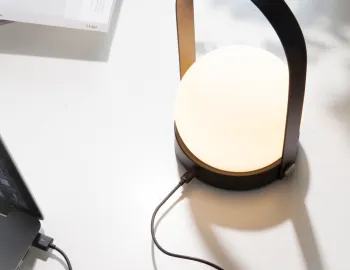
A table lamp can introduce more localised light to a desk or workspace. Consider where the light falls across the working surface and whether the lamp needs to be repositioned for different activities. For a home office, the material and form of the lamp can also help connect the workspace with furniture elsewhere in the room rather than giving it a purely technical character.
Portable and Rechargeable Table Lamps
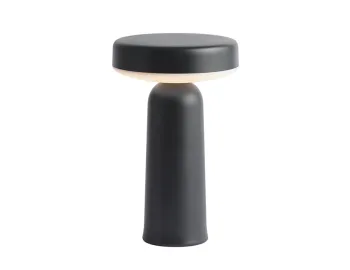
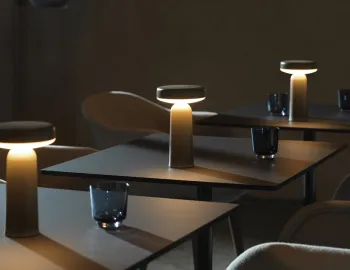
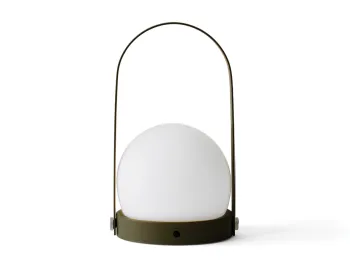
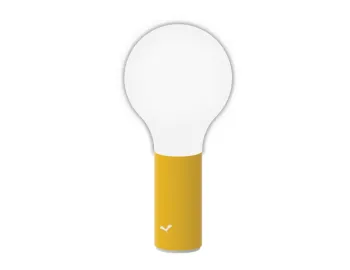
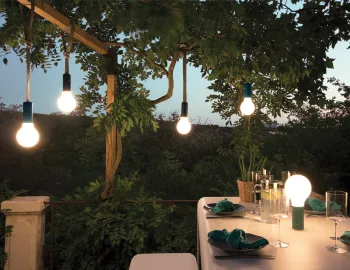
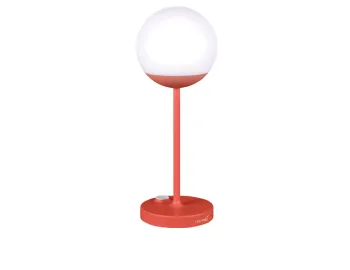
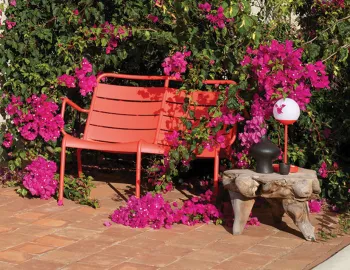
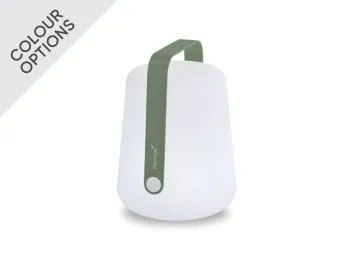
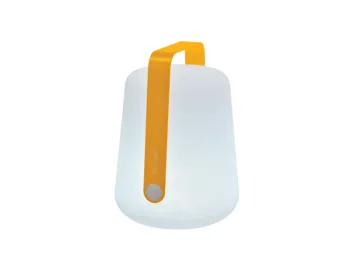
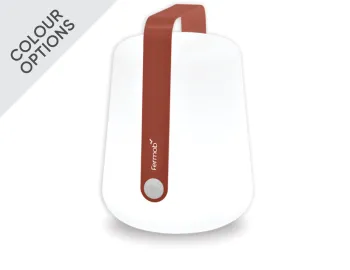
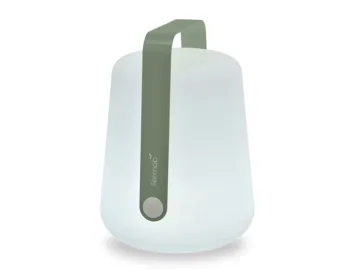
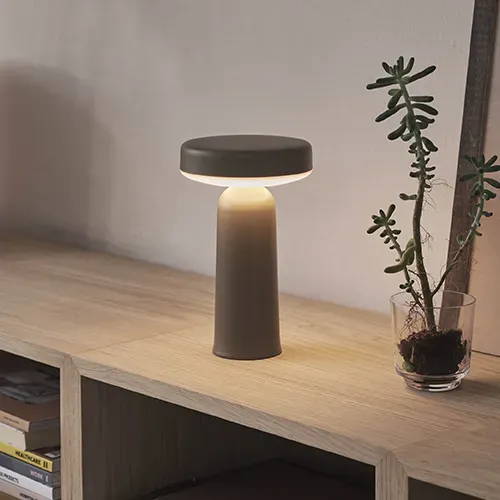
Portable lamps allow light to move with you rather than remaining fixed to one location. Rechargeable designs can be particularly useful on shelves, dining tables and other surfaces where a power cable would limit placement. Some portable table lamps are also suitable for outdoor use, making it possible to move them between interior and exterior settings. Always check the individual product specifications and IP rating before using a lamp outdoors.
Material, Colour and Light
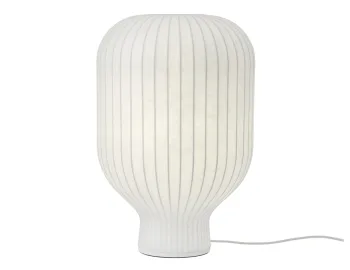
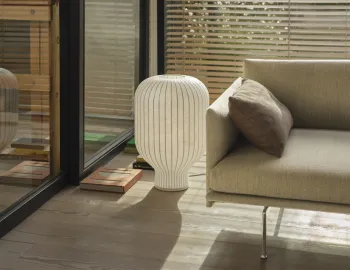
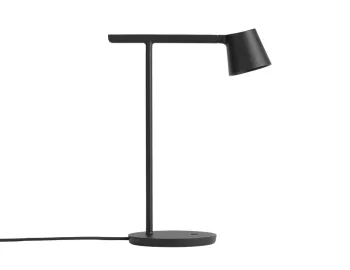
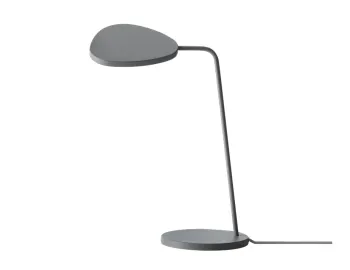
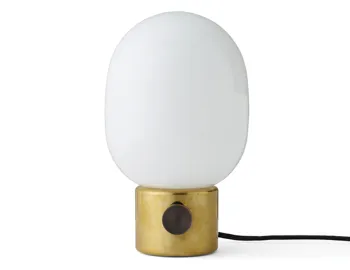
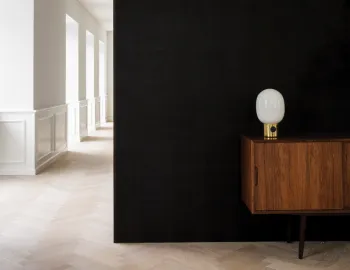
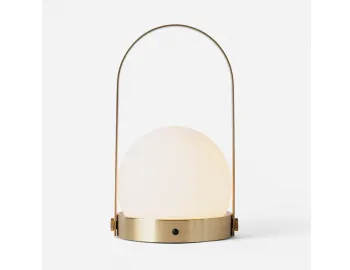
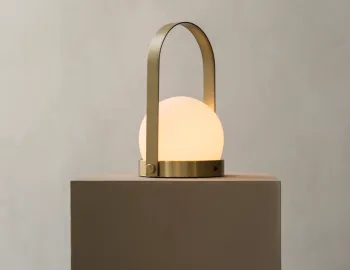
Table lamps introduce both light and another object into the room. Metal, glass and other materials can change the character of the lamp, while colour can either connect with surrounding furniture or create a deliberate point of contrast. Consider the lamp when both switched on and off. Its proportions, finish and form remain part of the space throughout the day, while the direction and quality of light become more prominent after dark.
Layering Table Lamps with Other Lighting
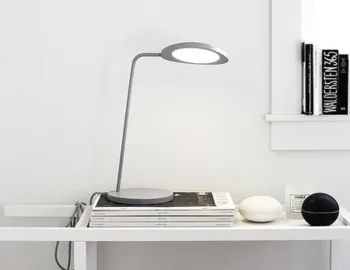
Table lamps work particularly well as part of a broader lighting scheme. They can provide a lower, more localised source of light alongside Pendant Lights, Floor Lamps and Wall Lights. Using several sources at different heights provides greater control over which parts of a room are illuminated and how the atmosphere changes throughout the evening.
Explore Table Lamps in Melbourne
Shop table lamps online or visit Huset’s Cheltenham showroom in Melbourne to experience selected lighting, materials and finishes. If you would like to see a particular table lamp, contact our team before visiting to confirm its current showroom availability.
Frequently Asked Questions
Consider the size and height of the surface where the lamp will sit as well as the area you want to illuminate. The lamp should feel proportionate to the table and surrounding furniture without taking up unnecessary surface space.
Yes. Consider the combined height of the bedside table and lamp, where the light will fall and whether the controls are easy to reach from the bed.
Yes, provided it gives suitable light across the working area. Consider the lamp's size, direction of light and the amount of desk surface it occupies.
A portable table lamp is designed to be moved between locations and commonly uses a rechargeable battery rather than requiring a continuous connection to a power point.
Battery life varies considerably between products and can also depend on the brightness setting used. Check the individual product specifications for charging time and expected operating time rather than applying a single figure across the collection.
Popular Categories

Selected for Spring